


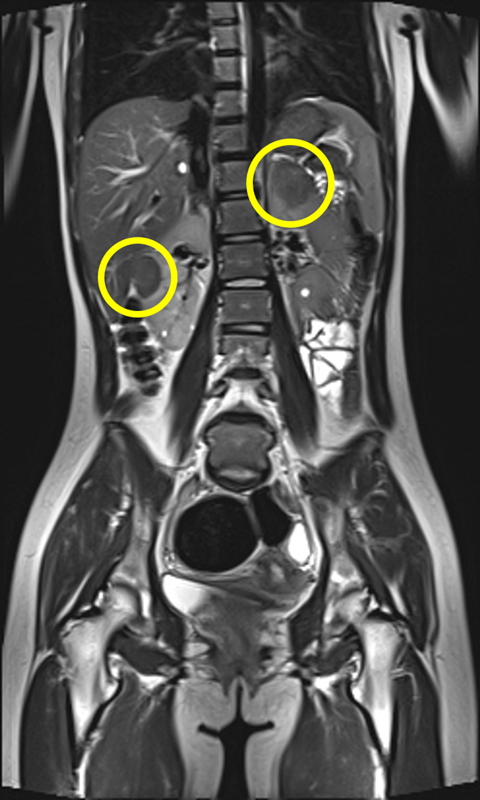
Because a wide range of symptoms can occur regardless of age, including epilepsy seizures, the most common manifestation, facial angiofibromas and hypomelanotic macules of the skin, as well as autism spectrum disorder, cognitive impairment, renal cysts, and pulmonary cell proliferation, early diagnosis and long term management are essential.
However, because TSC is a rare disease affecting approximately one in 10,000 people and presents with highly variable symptoms among patients, many individuals have struggled to find information relevant to their own condition and have often felt uncertain about which medical department to consult for appropriate care.
At Neurogenetics Clinic of Asan Medical Center, a lifelong integrated care program is provided for patients with tuberous sclerosis complex. The program begins with pediatric neurology specialists conducting a comprehensive assessment of each patient’s symptoms, medical history, family history, and the presence of organ specific involvement.
Subsequently, depending on the symptoms present, specialists from relevant departments including psychiatry, rehabilitation medicine, urology, orthopedics, pulmonology, and allergy medicine participate to promptly deliver personalized treatment tailored to each patient’s condition.
In addition, given the hereditary nature of the disease, specialists from the Medical Genetics Center provide genetic counseling, conduct family screening, and implement genome based treatment approaches.
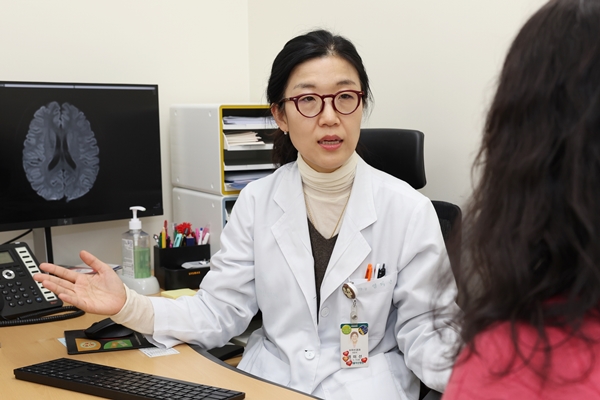
Professor Mi-Sun Yum of the Pediatric Neurology at Asan Medical Center, who leads the Neurogenetics Clinic of Asan Medical Center, explained, “As patients who have received continuous care in pediatric neurology from a young age grow into adulthood, many ask whether it is appropriate for them to continue visiting the pediatric department. In response, we established an integrated care program that spans the entire lifespan, from childhood through adulthood and beyond.”
She added, “Because this condition affects multiple organs throughout the body, ongoing follow up and a multidisciplinary approach are essential. Through this program, we will strive to systematically manage the wide range of symptoms that can appear in different organs and ultimately improve the quality of life for patients with TSC.”
Professor Tae-Sung Ko of the Pediatric Neurology at Asan Medical Center noted, “Patients with mild forms of tuberous sclerosis complex can maintain a normal daily life, but in severe cases, there may be hidden risks of various systemic complications, making early diagnosis and timely treatment essential.”
He added, “If there are suspicious symptoms such as epileptic seizures, symmetrically distributed angiofibromas around the nose and cheeks, or hypomelanotic white patches on the skin, it is important to seek a specialist promptly to receive an accurate diagnosis.”
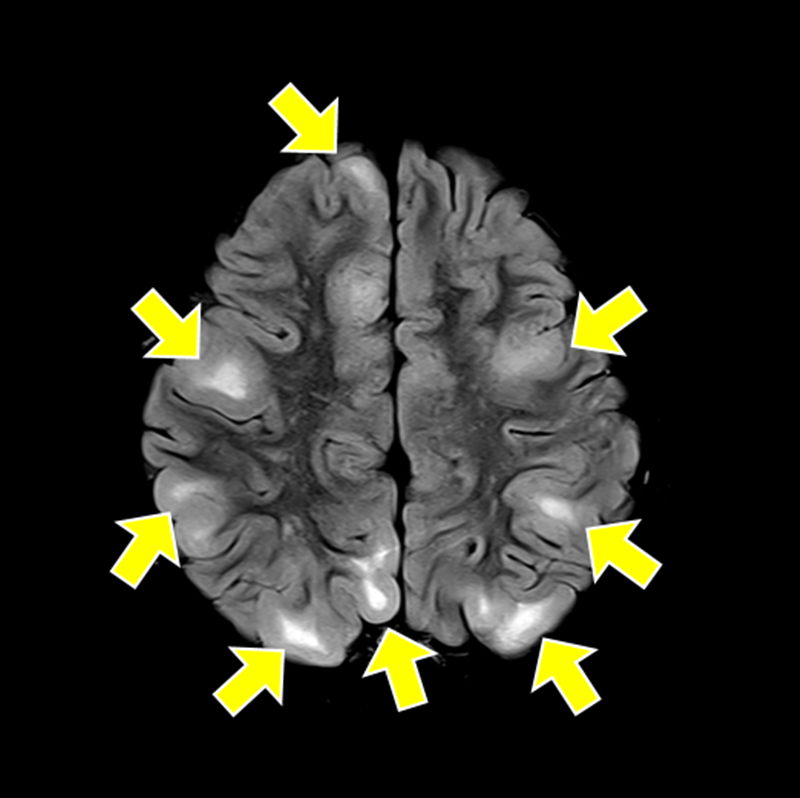
▲ A brain MRI scan of a patient with tuberous sclerosis complex, in which benign tumors develop in multiple organs, showing multiple cortical tubers (TSC) (indicated by yellow arrows).
