


-
- Global AMC MENU
- NEWS
- HEALTH
- PEOPLE
- Introduction


Protective Effect Against Intestinal Inflammation Confirmed in Mice With Acute Colitis After Probiotic Administration
First Identification of the Mechanism Promoting Anti Inflammatory Interleukin 10 Secretion From Regulatory B Cells
Research Team Led by Professor Mi-Na Kweon of Asan Medical Center Publishes Study in SCI Indexed International Journal ‘Gut Microbes’
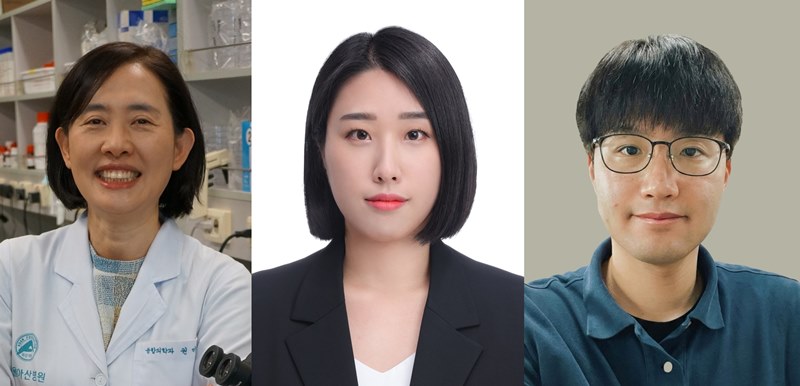
▲ (From left) Professor Mi-Na Kweon and doctoral researcher Sohyeon Lee from the Department of Convergence Medicine at the University of Ulsan College of Medicine and Asan Medical Center, in collaboration with Dr. Seung Il Kim’s team of the Korea Food Research Institute
Amid growing research on the therapeutic potential of gut commensal microbiota, a new study has shown that probiotics beneficial microorganisms in the human body may help alleviate intestinal inflammation.
A research team led by Professor Mi-Na Kweon and doctoral researcher Sohyeon Lee from the Department of Convergence Medicine at the University of Ulsan College of Medicine and Asan Medical Center, in collaboration with Dr. Seung Il Kim’s team of the Korea Food Research Institute, administered Bifidobacterium adolescentis, a human derived probiotic strain, to mice with acute colitis. The results demonstrated a significant reduction in intestinal inflammation.
The research team further elucidated the mechanism by which Bifidobacterium, a beneficial bacterium, alleviates intestinal inflammation. They found that peptidoglycan, a key component of the bacterial cell wall, activates regulatory B cells, leading to increased secretion of the anti-inflammatory cytokine interleukin 10.
To date, most studies on gut microbiota have focused primarily on regulatory T cells, with numerous reports showing that probiotics suppress inflammation by activating these cells. Although Bifidobacterium has long been recognized for its health benefits, few studies have clearly identified at the molecular and cellular levels, which specific components of the bacterium modulate immune cell function.
This study is particularly significant in that it demonstrates, for the first time experimentally, that regulatory B cells play a crucial role in maintaining intestinal immune homeostasis. The researchers showed that it is not the Bifidobacterium bacterium itself, but rather peptidoglycan, a structural component of its cell wall, that directly stimulates regulatory B cells and induces the secretion of anti inflammatory mediators.
By clarifying this specific immune regulatory pathway, the study provides novel mechanistic insight into how probiotic derived components modulate host immunity.
The study findings were published in the latest issue of ‘Gut Microbes’ five year impact factor 13.4, an SCI indexed international journal.
The research team administered Bifidobacterium adolescentis isolated from the feces of a healthy individual to mice with acute colitis once daily for two weeks. Compared with the control group, the treated mice showed significantly less weight loss and preserved colon length. Microscopic examination further revealed markedly lower inflammatory scores and reduced tissue damage in the colon.
In the treatment group, levels of interleukin 10, a key anti-inflammatory cytokine, were significantly elevated in both the colon and spleen. Interleukin 10 is a representative host derived immunoregulatory cytokine that plays a central role in suppressing excessive immune responses and reducing inflammation induced tissue damage.
Particularly in tissues such as the intestine, which are continuously exposed to external stimuli, interleukin 10 is essential for dampening pro inflammatory signaling in immune cells, thereby protecting the mucosal barrier and preventing the progression of chronic inflammation.
Notably, the anti-inflammatory effect was preserved even in the absence of live bacteria. The researchers confirmed that heat treated and fixed bacterial preparations produced the same immunomodulatory effects. These findings indicate that it is not the live probiotic organism itself, but rather peptidoglycan, a structural component of the bacterial cell wall, that serves as the key factor selectively inducing interleukin 10 secretion from regulatory B cells. Furthermore, the team elucidated the underlying mechanism, demonstrating that peptidoglycan stimulates interleukin 10 production in regulatory B cells through Toll like receptor 2 signaling.
Professor Mi-Na Kweon from the Department of Convergence Medicine at the University of Ulsan College of Medicine and Asan Medical Center, who led the study, stated, “Intestinal inflammatory diseases are characterized by frequent relapse and chronic progression, often requiring anti-inflammatory agents or immunomodulators for symptom control. However, long-term use of these therapies raises concerns regarding potential adverse effects, underscoring the need for safer adjunctive management strategies. As this study suggests that routine probiotic intake or probiotic derived components may contribute to alleviating intestinal inflammation, we hope the findings will be applied to the development of preventive and adjunctive therapeutic strategies for inflammatory bowel diseases.”
She further added, “We also anticipate that this research may provide a basis for expanding this approach beyond intestinal inflammation to autoimmune diseases, in which excessively activated immune responses require restoration of immune balance.”
This study was supported by the National Research Foundation of Korea through the Mid Career Researcher Program and the University Focused Research Center Program.
ASAN MEDICAL CENTER
BROCHURE DOWNLOAD
Sharing your hope
ASAN MEDICAL CENTER
